









Exploring the psychology behind high-stakes casino decisions
The allure of risk in gambling
The thrill of high-stakes gambling often captures the imagination of many individuals. The allure of risk is deeply ingrained in human psychology, where the potential for significant reward drives people to take chances that they might otherwise avoid. In a casino environment, this enticement is amplified by the sensory experiences and the atmosphere that encourages players to engage in riskier behavior. The bright lights, sounds of celebration, and even the scent of luxury create a stimulating environment that can cloud judgment and encourage reckless decisions. This is why many gamblers frequently search for the best online slots to enhance their experience, as the excitement can be a significant draw.

Moreover, people often overestimate their chances of winning in casino games, a phenomenon known as the illusion of control. This cognitive bias leads players to believe they can influence the outcome of games based on their skills or strategies, despite most games being purely based on chance. This belief can perpetuate a cycle of high-stakes gambling, where the potential for a huge payout overshadows rational decision-making.
Emotional influences on gambling behavior
Emotions play a significant role in the decisions made by gamblers, particularly in high-stakes scenarios. Adrenaline rushes and feelings of excitement can lead individuals to make impulsive choices that may not align with their long-term financial goals. The euphoric highs of winning can create a compulsion to chase that feeling, even risking large sums of money. This emotional roller coaster is a key aspect of why high-stakes casinos are so appealing, as they tap into the fundamental human desire for thrill and excitement.
Furthermore, the experience of loss can elicit strong emotional responses, leading gamblers to double down or escalate their bets in an attempt to recover their losses. This behavior, known as loss chasing, is a common pitfall that can result in devastating financial repercussions. Understanding these emotional triggers is essential for both players and casino operators, as it highlights the need for responsible gaming practices and awareness of one’s emotional state while gambling.
The role of social dynamics in gambling environments
The social aspects of gambling can significantly impact decision-making in high-stakes situations. Playing in a casino often involves interaction with other people, whether they are friends, strangers, or dealers. These social dynamics can influence individual behaviors, sometimes encouraging riskier bets or collaborative strategies. The presence of other players can create a sense of camaraderie, which might override personal caution when it comes to wagering large sums of money.
Moreover, the competitive nature inherent in gambling can lead individuals to adjust their strategies based on the perceived actions of others. Social pressure can drive players to make decisions they might not typically consider, such as increasing their bets or engaging in high-stakes games, all in the spirit of competition or to avoid feeling outmatched. Analyzing these social influences provides insight into why some individuals thrive in high-stakes environments while others may falter.
Decision-making models in gambling
Understanding the psychology behind decision-making in high-stakes gambling involves exploring various psychological models. The expected utility theory, for instance, suggests that individuals make decisions based on the anticipated outcome’s value. However, this theory often fails to account for the emotional and psychological factors at play in a casino setting, where excitement and risk often outweigh logical reasoning. Instead, concepts like the prospect theory offer a more nuanced view by highlighting how people perceive potential losses and gains differently.
Additionally, the concept of bounded rationality suggests that individuals often make decisions within the limits of their knowledge and the emotional context of their circumstances. In a high-stakes environment, this can lead to making choices that seem rational at the moment but are ultimately influenced by short-term emotions and cognitive biases. Exploring these decision-making models sheds light on the complex interplay between rational thought and emotional impulses in high-stakes gambling.
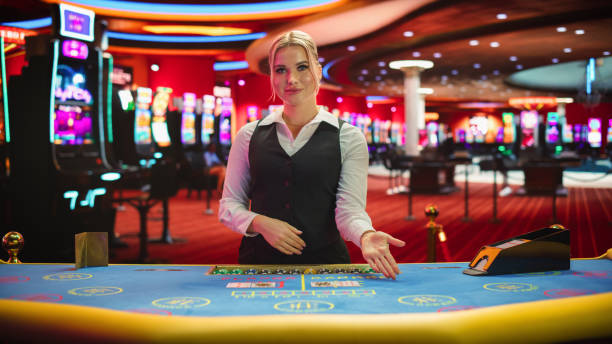
Your trusted source for gambling insights
This website serves as a reliable platform for individuals seeking comprehensive information on gaming and gambling psychology. With a commitment to safety and security, it offers insights into the intricate world of casinos, helping users make informed decisions whether they are seasoned gamblers or newcomers. The platform emphasizes the importance of understanding psychological factors that influence gambling behavior, ultimately fostering a more responsible and enjoyable gaming experience.
Moreover, the site ensures users can navigate their gambling journeys with confidence, providing guidance and support for those looking to engage with high-stakes situations safely. Whether you are exploring the thrill of gambling or seeking advice on responsible practices, this platform is dedicated to enhancing your understanding of the psychological elements that drive casino decisions.